Indian and Nepali food in Dubai
A majority–South Asian city where the best Indian food is usually the cheapest.
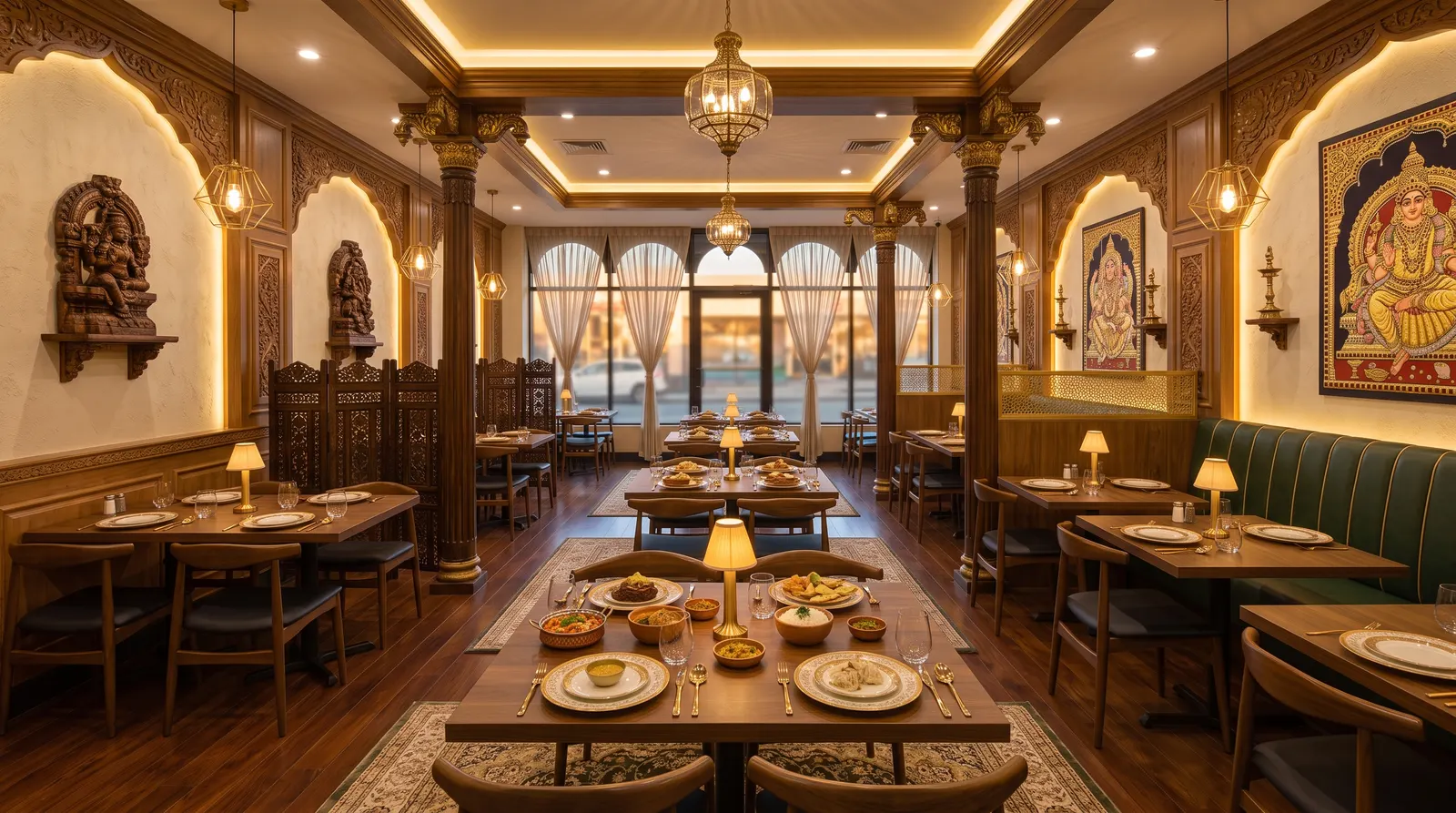
The scene in Dubai
South Asians make up the large majority of Dubai's population, and the food reflects that far more honestly in the cafeterias of Deira and Karama than in the hotel restaurants. Kerala, Tamil and Pakistani cooking are everywhere and inexpensive. The emirate also has a genuine high end, but the everyday food is the reason to eat here.
How it got here
Labour migration from Kerala, Tamil Nadu, Andhra, Punjab and Pakistan built modern Dubai, and the cafeteria — cheap, fast, open very late — grew to feed it. Nepali migration followed the same routes more recently, and momo now appears across the older districts. The result is a city where regional South Asian food is ordinary rather than exotic.
What to expect
Kerala food is the strongest single thread: parotta, beef fry, fish curry, and appam. Portions are large and prices in the old districts are a fraction of the marina and downtown. Many cafeterias have no alcohol and no pretension, run long hours, and are busiest very late. Ramadan changes opening hours across the city substantially.
Where to eat
- Karama — The most concentrated South Indian and Pakistani eating in the city, at low prices.
- Deira — Old Dubai's dense grid of cafeterias, sweet shops and late-night kebab counters.
- Al Quoz — Industrial, and home to workers' canteens serving some of the most honest Kerala food in the emirate.
- Bur Dubai — Historic Indian quarter with Gujarati and Sindhi vegetarian cooking alongside the temples.
Practical notes
Deira and Karama are where to eat; the hotel restaurants are a different and much more expensive proposition. Many cafeterias deliver at all hours and have done for decades. Cash still helps in the older districts. Friday is the busy day for family meals, so expect queues at the well-known places.
What is listed in Dubai
405 restaurants in the directory, by cuisine: